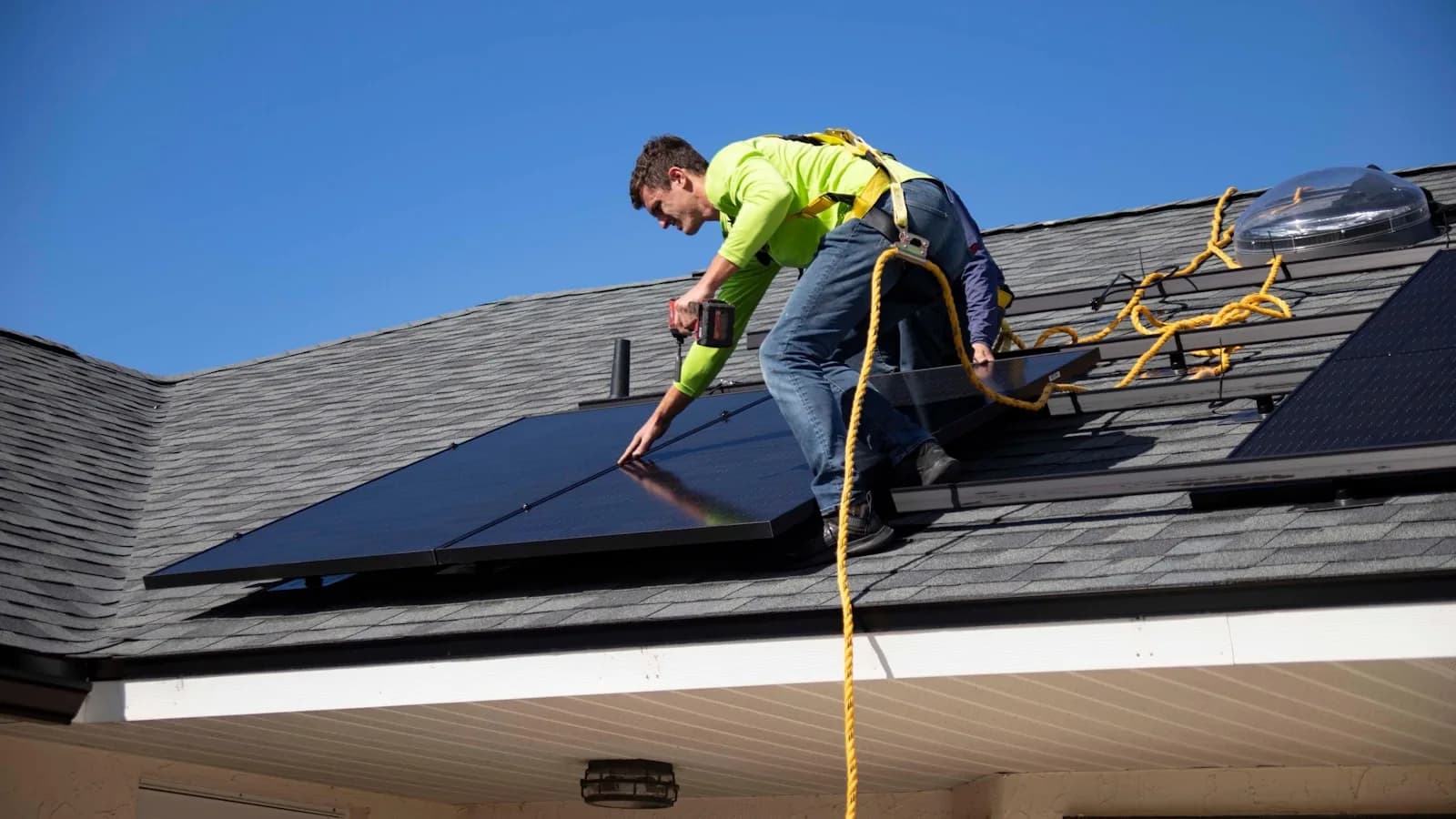
If you drive an EV in Murrieta and pay a Southern California Edison electric bill, you have probably done the math on adding solar. The idea is simple: generate electricity during the day, charge the car at night, drive on sunshine. In practice, California's new solar rules — Net Energy Metering 3.0, in effect since April 2023 — have changed the math significantly. Here is what you actually need to know before you sign a solar contract.
NEM 3.0 in Plain English
Under the old NEM 2.0 rules, solar homeowners were credited at the full retail electric rate for every kilowatt-hour they sent back to the grid. Under NEM 3.0, that export credit dropped by roughly 75%. You still save money by using the solar you generate directly — but you barely get paid for what you export. According to the California Public Utilities Commission, the new tariff is designed to encourage battery storage and time-shifted self-consumption rather than export.
Translation for EV owners: the more of your solar you use at home, the better your payback. Charging your car during daylight hours from solar you would otherwise export is now one of the most economical things you can do with a solar system.
The Case for Daytime Charging
If your work schedule lets you charge your EV during the day — a hybrid remote schedule, a work-from-home job, a second car that stays home — you can consume most of your solar production directly. A properly sized Level 2 charger with scheduling can automatically start charging when solar production peaks, typically 10 AM to 3 PM.
If you can only charge at night, you have two choices: pay for the electricity at nighttime TOU rates, or add a home battery. Batteries add cost but dramatically improve the economics of a NEM 3.0 solar system.
Sizing the Electrical Infrastructure
Before you add solar and an EV charger, your electrical panel needs to be evaluated. A typical Level 2 EV charger uses a 40-50 amp circuit. Solar adds another current source that has to be accommodated under the 120% rule. A home battery adds another. Many Murrieta homes built in the 1990s and early 2000s have 200-amp service and can handle all three — but not always. A load calculation is the first honest step, not the last one.
If your panel is on the smaller side or is already crowded, you may need a panel upgrade before any of this work happens. We handle these upgrades regularly, along with the dedicated circuits that solar, batteries, and EV chargers require.
Before you size anything, it is worth settling how much charging speed you actually need.
Choosing the Right EV Charger
Not every EV charger plays well with solar. If you want the charger to modulate based on solar production, you need a "smart" charger that supports load management protocols or integrates with your solar inverter and battery. Popular options include chargers from Wallbox, Enphase, Emporia, and Tesla — but the right choice depends on which inverter and battery you install. Our EV charger installation page covers the models we install most often in the Temecula Valley.
Our EV charger installation guide covers the charger side of the project in more detail.
Permits, Interconnection, and Timeline
Solar installation in Murrieta requires a City of Murrieta building permit and SCE interconnection approval before you can turn the system on. Add an EV charger to the same project and you can usually roll both into one permit, saving fees and inspection trips. From contract to permission-to-operate typically takes 6-10 weeks — plan accordingly.
Federal and State Incentives
The federal residential clean energy credit still covers 30% of solar and battery system costs through 2032, and 30% of qualifying EV charger installation costs. California's Self-Generation Incentive Program (SGIP) offers rebates for home batteries, with larger rebates for households in high-fire-risk or medically vulnerable categories. Stacking these correctly is where a lot of the savings comes from.
Get an Honest Assessment
Westek Electric Corp. installs EV chargers and handles the electrical infrastructure for solar and battery installations across Murrieta, Temecula, and the surrounding areas. We do not sell solar panels — which means when we tell you your electrical system can or cannot handle a proposed system, you are getting a straight answer. Call (909) 996-6678 to schedule a load calculation and site evaluation.